
Week 13: Jesus rejected
- Key verses: Psalm 118:22; Isaiah 7:14
- Jesus is the cornerstone
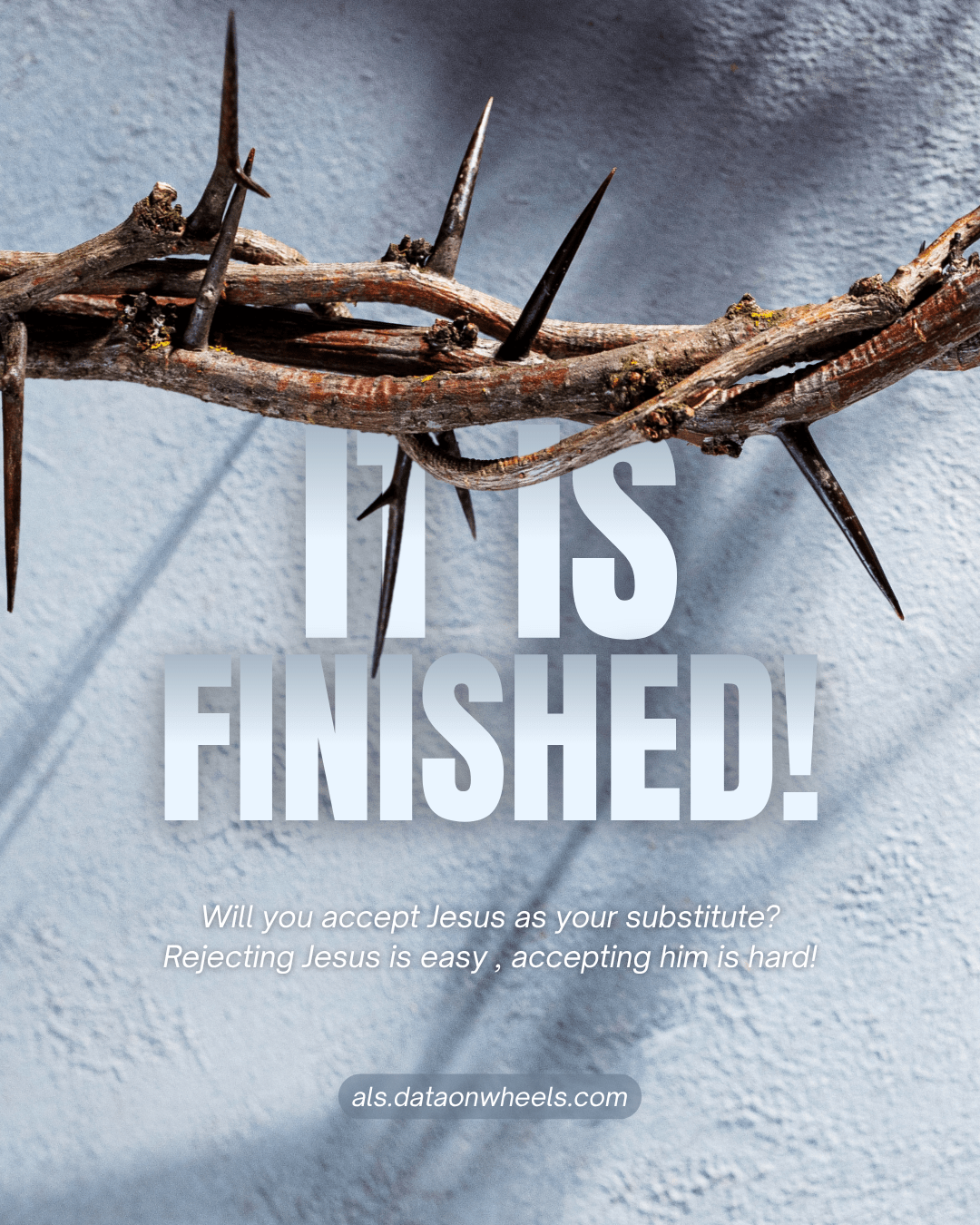
- Rejecting Jesus is easy, accepting him is hard
- Parting thoughts
Key verses
Psalm 118:22 (NLT)
The stone that the builders rejected has now become the cornerstone.
Isaiah 7:14 (NLT)
All right then, the Lord himself will give you the sign. Look! The virgin will conceive a child! She will give birth to a son and will call him Immanuel (which means ‘God is with us’).
Jesus is the cornerstone
Jesus was not readily accepted as the Messiah while he lived on earth. He didn’t fit the type. But there was no doubt the that he claimed to be. He quoted Psalm 118:22 in reference to himself while debating with the religious leaders of his day. They were angered even more as he used their rejection of him to reinforce his claim. By rejecting him as Messiah, they were rejecting God. Jesus is Emmanuel. God with us.
Rejecting Jesus is easy, accepting him is hard
It is easy to reject Jesus out of hand. We are imperfect, and we don’t naturally want to be dependent on or beholden to some guy who may have lived 2000 years ago. We are doing fine. But the fact is, we don’t want to accept Jesus for who he says he is.
Accepting Jesus is hard.
First, we must recognize that we aren’t perfect. That’s not too bad until we realize that nothing we do is good enough for God. God is perfect and he demands perfection. No matter how much good we do, we are not perfect.
For everyone has sinned; we all fall short of God’s glorious standard.
Romans 3:23 (NLT)
Next, we must recognize that our imperfection leads to death, separation from God. This is overwhelming and depressing. Not only can we not achieve perfection, but we are separated from God forever as a result.
When Adam sinned, sin entered the world. Adam’s sin brought death, so death spread to everyone, for everyone sinned.
Romans 5:12 (NLT)
Jesus is the perfect substitute
Third, because God needs perfection to satisfy our imperfection, a substitute is required to pay the penalty. Now we have to look at Jesus. We have to accept what the Bible says about him.
- He is God in the flesh. Isaiah 7:14
- He was tempted to do wrong but remained perfect. Hebrews 4:15
- He is the only way to God. John 14:3
Because Jesus is perfect, he can be our substitute. What does that mean? God requires the penalty for our imperfection to be paid for in blood. Someone has to die to pay the penalty. We pay the penalty unless we have a substitute, a perfect, willing substitute.
Jesus is a willing substitute
Let’s look closer at Jesus and his death. For it to count he had to be perfect and willing. His willingness to give his life freely emphasizes the fact that he’s God. He does not commit suicide. But he also chooses not to save himself. If he was just a man, he couldn’t have, but if he’s God, he could have saved himself at any. God provides himself as our substitute through Jesus.
Now, most people would not be willing to die for an upright person, though someone might perhaps be willing to die for a person who is especially good. But God showed his great love for us by sending Christ to die for us while we were still sinners.
Romans 5:7-8 (NLT)
It’s hard to accept Jesus because we have to recognize that our imperfection requires death or a perfect substitute. We can never meet God’s demands on us. Rejecting all this is easy. But is right?
Parting thoughts
Jesus declared, “It is finished!” from the cross. He is the only way to God. I know some of you are trying to make it on your own. Others question if any of this is true. If you are taking the easy route and rejecting Jesus out of hand, I challenge you to investigate the evidence yourself. Don’t reject Jesus because it is easy.
For those of us who believe, let’s celebrate this weekend. Not only is Jesus our substitute in his crucifixion, but he is also our glimpse into an awesome future through his resurrection. He is risen! He is risen indeed!
Want to learn more?
Here’s some good reading from skeptics and scholars.
Want to know more? Use the contact form to reach out to me directly. I would love to help.
