
The physical impact of ALS is incredible, and the estimated financial impact of ALS is just crazy. Like our experiences with disease impact and progression vary, our financial impact varies due to several factors including age, stage, insurance, and even location. I will share our story first and then layout some research I did with help from Microsoft Copilot. I include many resources you can use to learn more about the financial impact and support including insurance options. I hope you find this helpful.
Our situation
Before I dig into the details of what I have found, I wanted to share the various ways finances and insurance have been weaved into our journey through the first few years of my disease. I was fifty years old when I experienced my first symptoms. I was working full time and had good insurance. The insurance coverage with Blue Cross Blue Shield was very good. They covered all my tests, the ALS clinic, and my ALS medication including Riluzole, Radicava, and Relyvrio before it was pulled from the market. In 2023, we switched from the high-deductible HSA plan to a high premium plan which was more cost effective and that was surprising.
KY vocational rehab
During 2022, we moved to Kentucky and learned about Kentucky’s vocational rehabilitation program at the ALS clinic at the University of Kentucky. Their goal is to support people with disabilities either continue or restart working. They accepted me into their program which would provide us with tools to help me keep working including two lifts, accessible tools, and help with an accessible vehicle. Their support helped me keep working and saved us a lot of money.
Home modifications
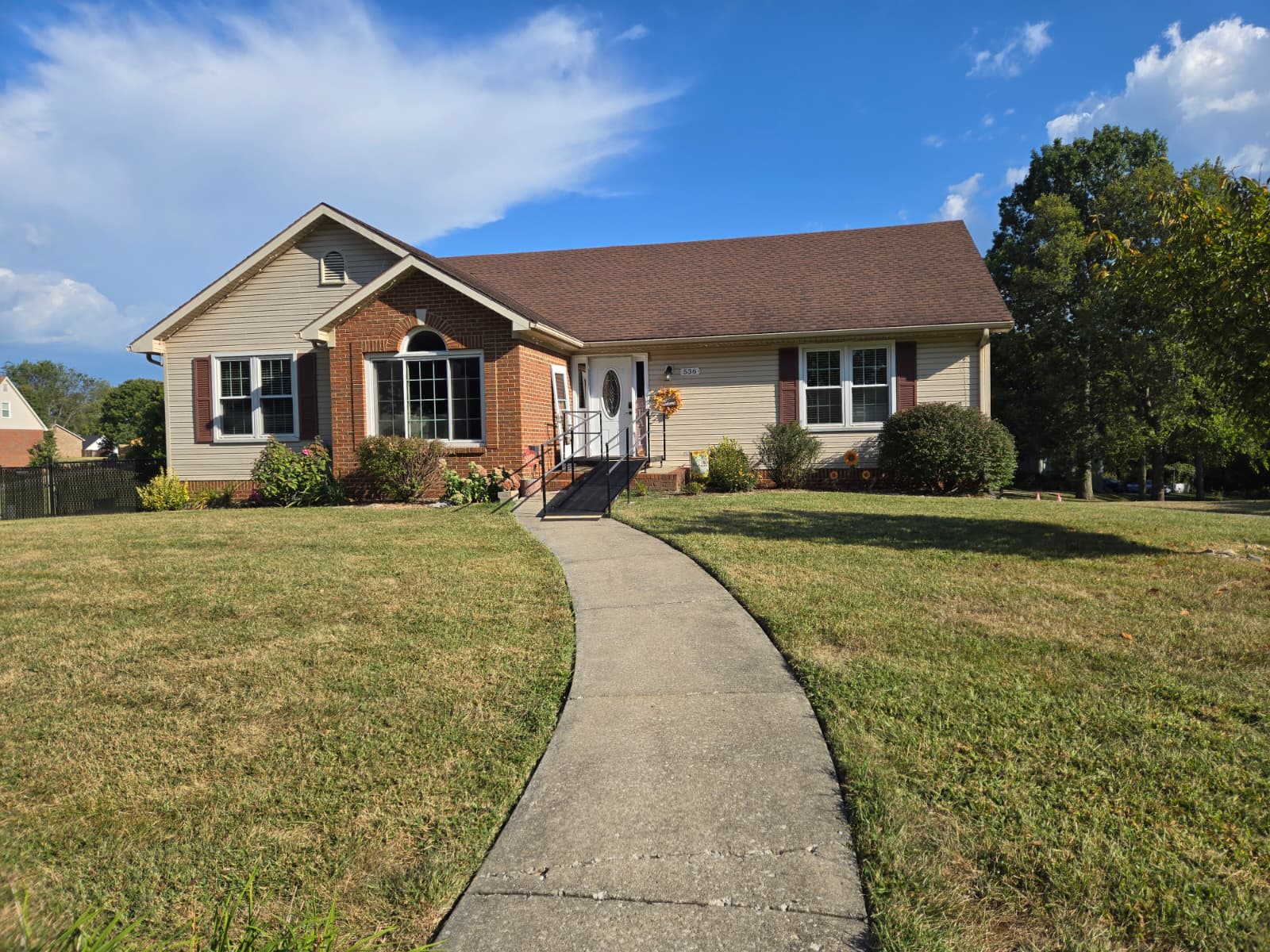
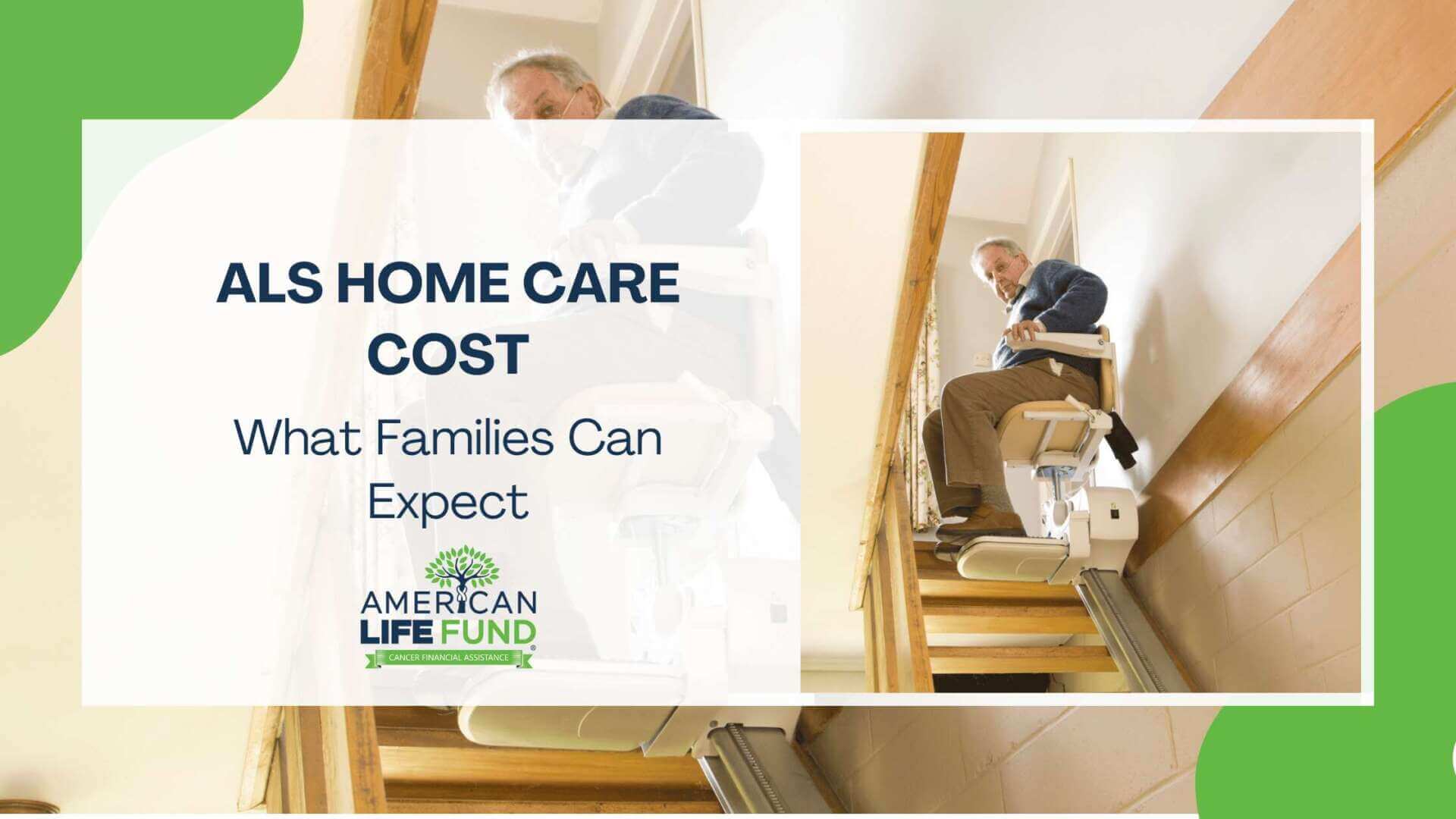
When I was diagnosed, we realized that our house of 23 years was not accessible for me long term. We decided to move to Kentucky to be closer to my family and bought a house that was accessible and even includes a chair lift. We used some of the money from the sale to remodel our master bathroom. I bring this up because people with ALS often need to make substantial renovations to their homes. This is how we handled it.
Reasonable accommodation
My company, 3Cloud, also helped me keep working. While I was still traveling, they swapped my laptop for a Microsoft Surface to reduce the weight I needed to carry. Later they got me my first eye gaze device the PC Eye from Tobii Dynavox. I used it to learn eye gaze and extend my ability to work.
Full time disability
2024 was a huge change in our financial situation. During this year, I would go on disability which would impact income and insurance. I went on Short Term Disability in April for three months. This insurance covered 67% of my current salary at the time. I was still considered an employee, and my medical insurance was taken care of during this time. In July, everything changed. I went on to full time disability which includes long term disability insurance and Social Security Disability Insurance which was still 67% of my salary at the time.
This change led to some interesting medical insurance decisions. When I went on SSDI, I was automatically put on Medicare parts A and B. We immediately added parts D and G. Part G needed to be done in a specific time window. My employee medical insurance was no longer covered by my employer. We chose to maintain that insurance with COBRA. This gave us time to get Sheila her own policy and take advantage of the fact that our max out of pocket was met. This was most important for the power chair. We discontinued COBRA in October. These changes required a lot of Sheila’s time because nothing was smooth or simple.
Generosity of friends and family
The last part of our financial story is the generosity of friends and family. Our children set up a GoFundMe account to make it easy. We have also received financial support directly as well. Others have given us gift cards especially when I was in the hospital for over a month. We are so thankful for this support which has helped us handle unexpected and often large expenses.
I have taken you on our journey. I am sure that other families dealing with ALS have different stories. Now, let us look at the research.
Summary of ALS Care Costs
ALS care costs can vary widely depending on the stage of the disease and the type of care required. In the first year after diagnosis, medical expenses are estimated to be around $47,450. For those receiving home care, annual costs typically range from $106,000 to $195,000. In the late stages of ALS, expenses increase further, ranging from $145,000 to $230,000 per year. These estimates include the costs of caregiving, durable medical equipment, medications, home modifications, and other out-of-pocket expenses.
Understanding the True Cost of ALS Care: A Comprehensive Breakdown
Amyotrophic Lateral Sclerosis (ALS) is a progressive neurodegenerative disease that not only impacts physical health but also places a significant financial burden on patients and families. Understanding the costs involved can help with planning and accessing resources. Below is a detailed look at the estimated annual expenses for ALS care, broken down by stage and care type.
Average Annual Cost After Diagnosis:
– Total Medical Expenditures: $47,450
– Hospital Care: $11,237
– Durable Medical Equipment (DME): $5,583
– Prescription Drugs: $6,309
– Out-of-Pocket Costs: $6,802
When factoring in indirect costs like lost income and home care, the average annual cost can reach $143,000, with:
– Direct Costs: ~$92,000
– Indirect Costs: ~$51,000
Home Care Costs:
– In-Home Caregiving: $50,000–$100,000
– DME: $10,000–$20,000
– Medications: $10,000–$15,000
– Home Modifications: $30,000–$50,000
– Out-of-Pocket Medical Costs: $6,000–$10,000
Total Estimated Annual Cost: $106,000–$195,000
Late-Stage ALS Costs:
– 24/7 Caregiving: $80,000–$120,000
– DME: $15,000–$25,000
– Medications & Treatments: $10,000–$20,000
– Home Modifications: $30,000–$50,000
– Out-of-Pocket Medical Costs: $10,000–$15,000
Total Estimated Annual Cost: $145,000–$230,000
Key Takeaways:
– Costs rise significantly as ALS progresses.
– Home care can be more affordable than facility care but still requires substantial resources.
– Planning ahead and exploring financial assistance programs is essential.
References and more information





One response to “The financial impact of ALS”
One more resource to consider: https://www.mda.org/sites/default/files/Cost_Illness_Report_0.pdf