Description
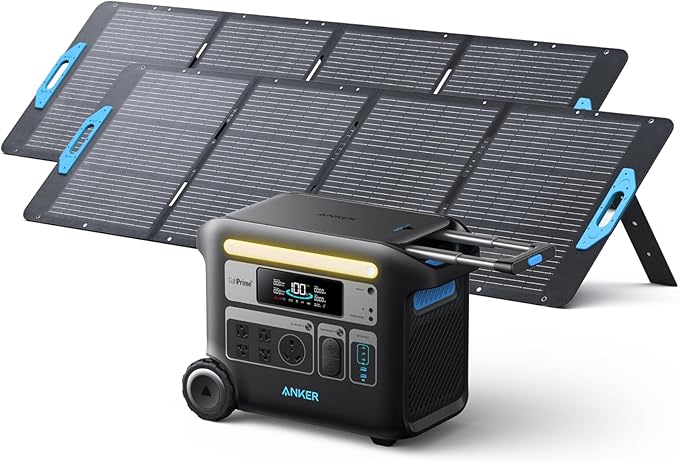
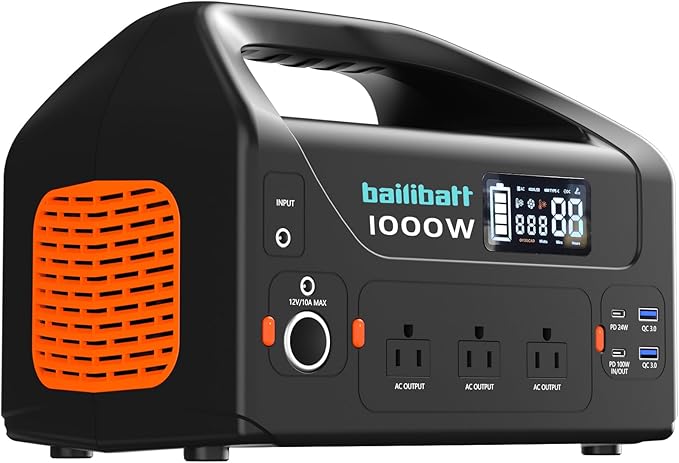
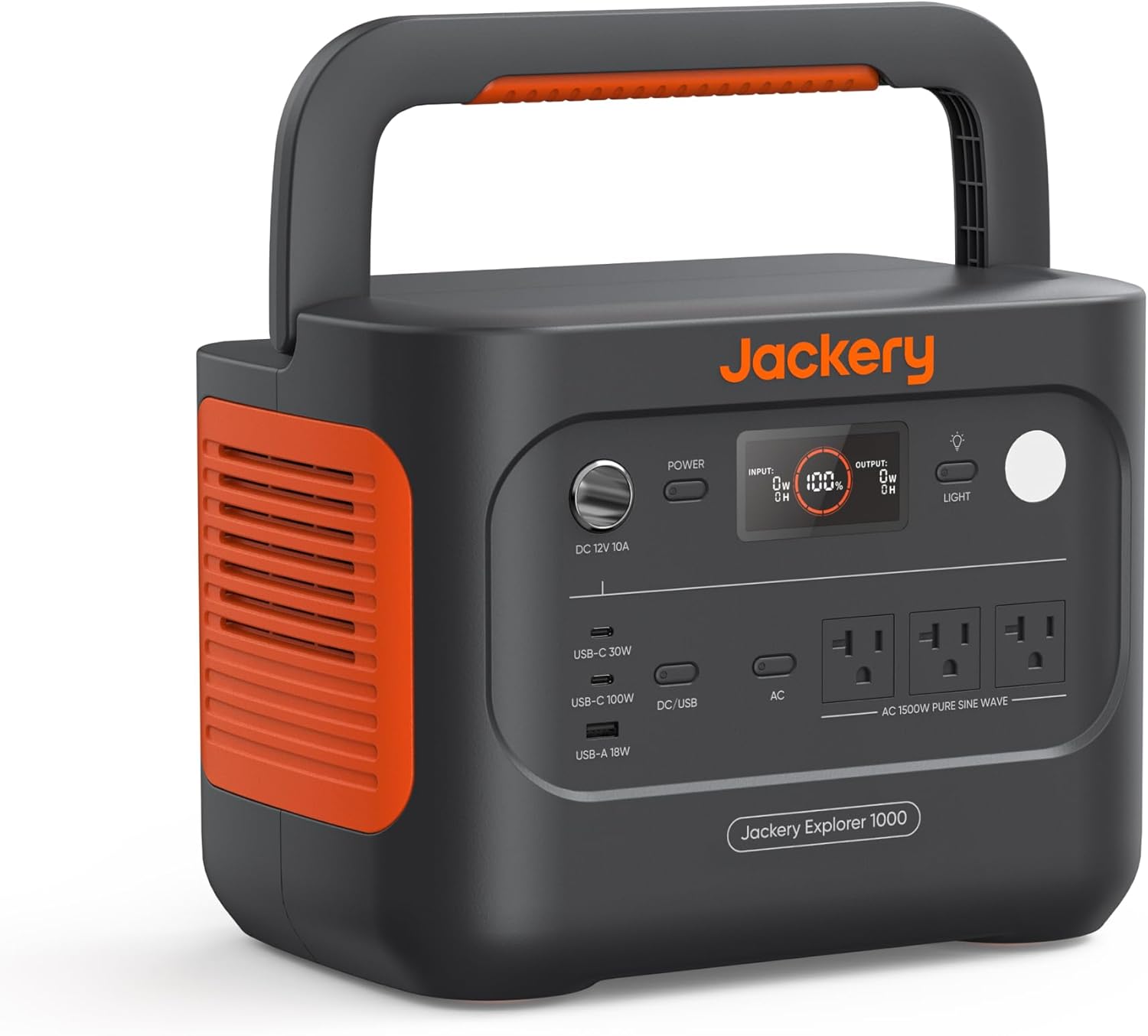
The generator we purchased is no longer available. Here is an equivalent option.
After Steve’s tracheostomy, we discovered that the new ventilator required more power than the Ryobi batteries could handle. We made the decision to get a smaller generator. The advantages were more power than the batteries and more portable than the large generator. It runs the ventilator and the Tobii device for over 7 hours and can be hung on the back of Steve’s power chair.
The generator we purchased is no longer available. Here is an equivalent option.
Backup power is essential when your basic needs like breathing require a machine. Most of the equipment we use has battery power like our ventilator and our lifts. The onboard power is usually sufficient but typically only lasts 4 – 8 hours depending on usage. But we wanted to be prepared for power outages and travel.
We had a situation where Steve’s NIV ran out of battery power at an event. We were able to get it plugged in, but it was going to take hours to charge before we could go home safely. Friends and family jumped into help. Our friends got us the Ryobi battery solution and our son in law brought our large generator from home about an hour away. We got home safely, and the importance of backup power was reinforced.
| Steve’s ALS stage | Late |
|---|---|
| ALS toolboxes |
We are using these stages to help you understand when these tools and apps were most effective for Steve.
From first symptoms to the walker
Key points
• No ventilation
• Able to walk without help
• Limited upper limb function
From walker to power chair
Key points
• Limited ventilation with an NIV
• Help needed to transfer
• Limited upper and lower limb function
• Work transitions
• Supplemental nutrition through feeding tube
Power chair
Key points
• 50% to full time ventilation
• From NIV to tracheostomy
• Lift transfers
• Loss of limb function
• Most nutrition through feeding tube
Copyright 2025-2026 | Steve Hughes, Data on Wheels
Reviews
There are no reviews yet.