Description
As part of my journey, I used a breathing mask, which affects how I speak and eat. Here is my experience trying different masks and what I’ve learned about which options work best for different situations.
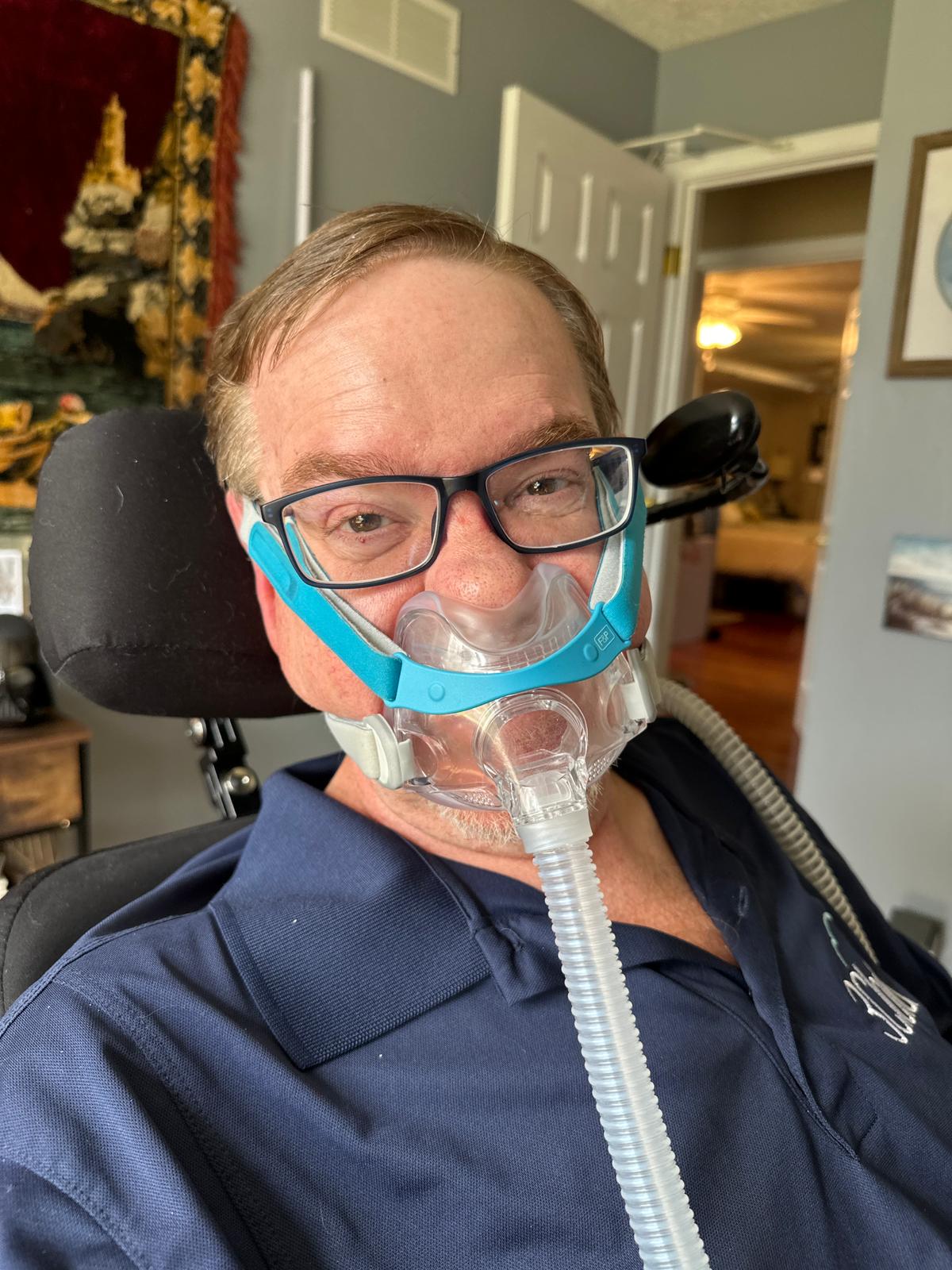
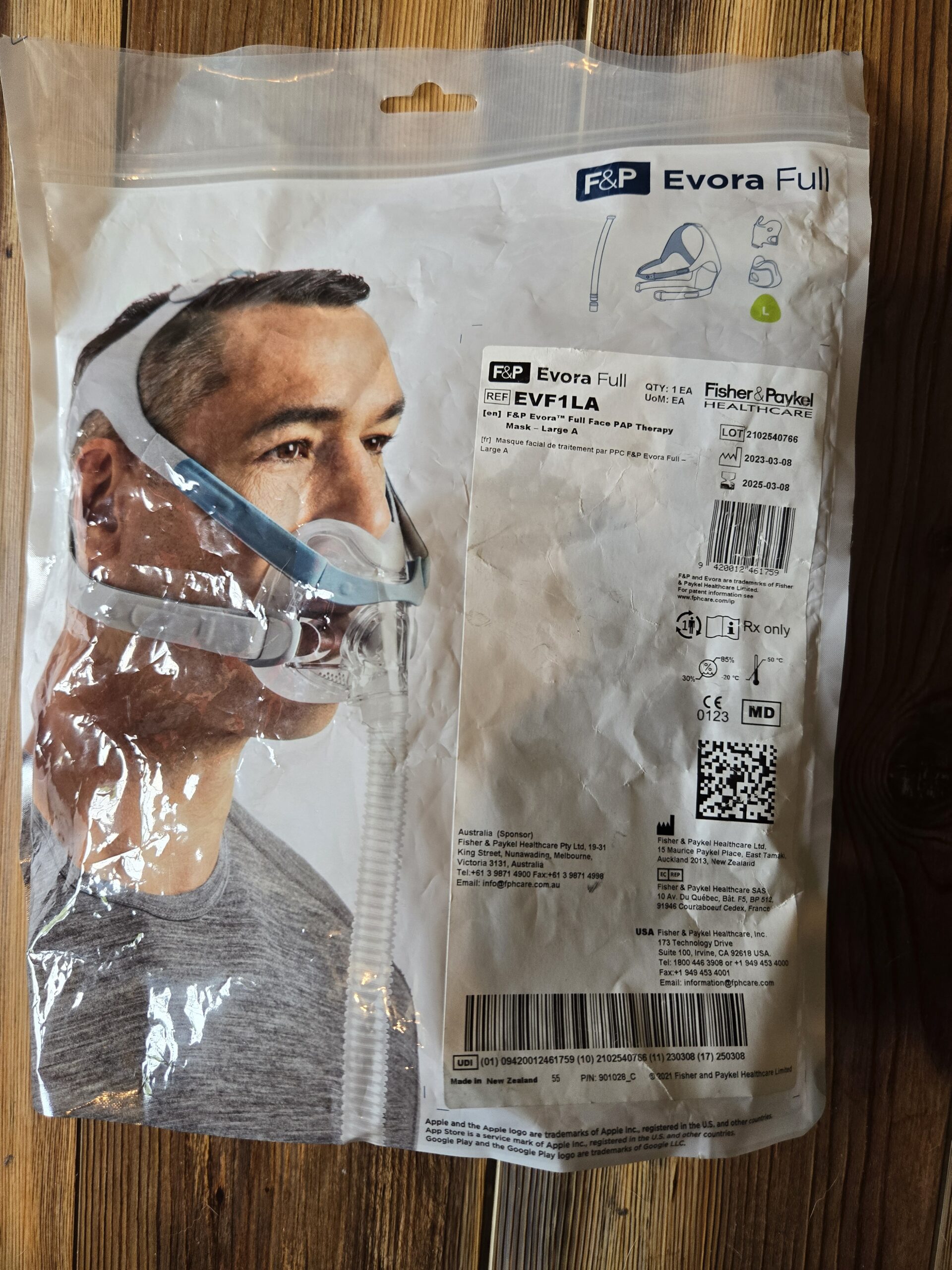
The first mask I used was the Evora full-face mask. I primarily used it during the day because it sits below my nose, allowing me to wear glasses. While it worked well initially and allowed me to be functional, it limited my ability to speak and made eating difficult. As I became more dependent on the mask throughout the day, my wife often had to slip food under it, which wasn’t ideal.
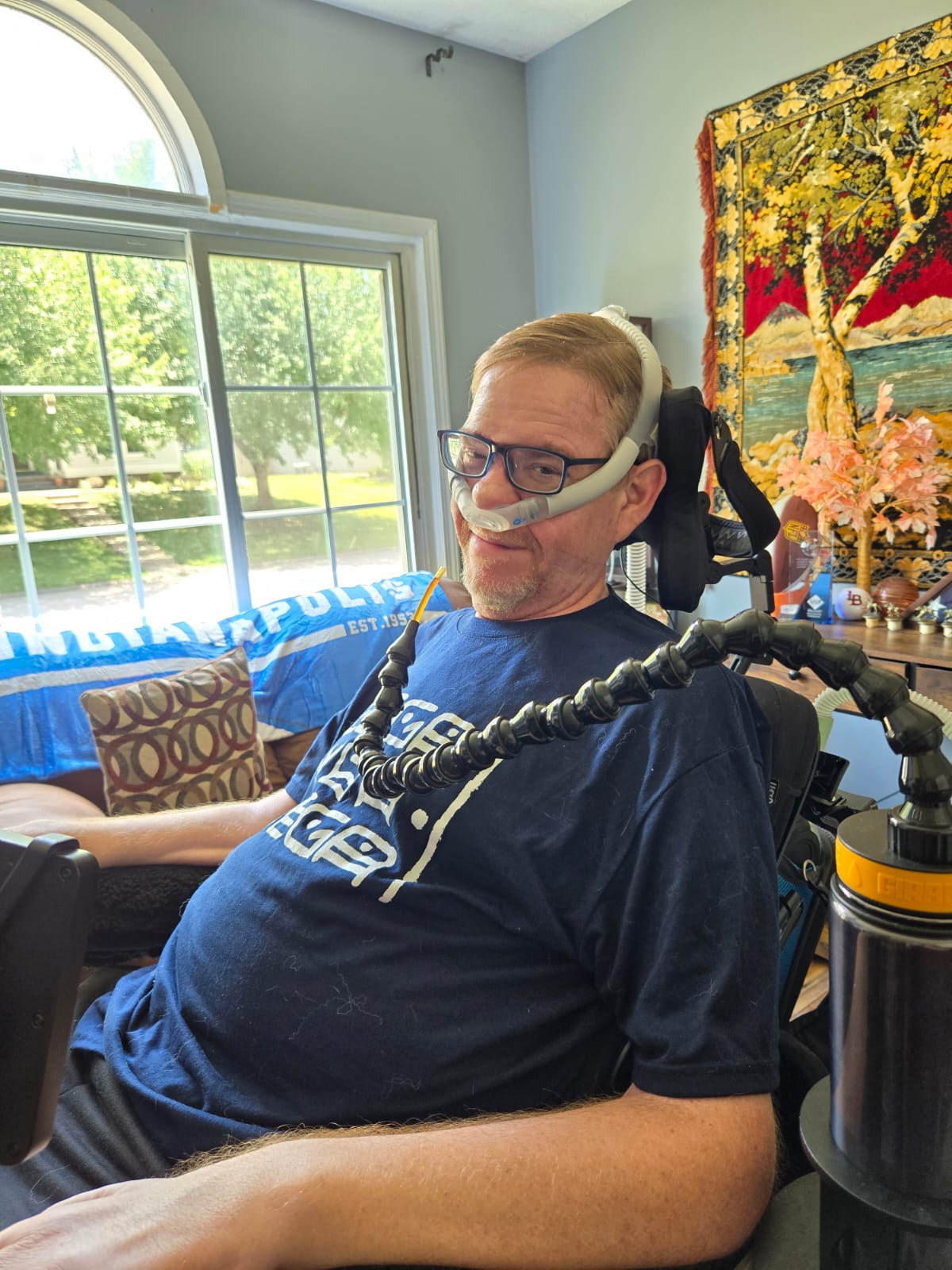
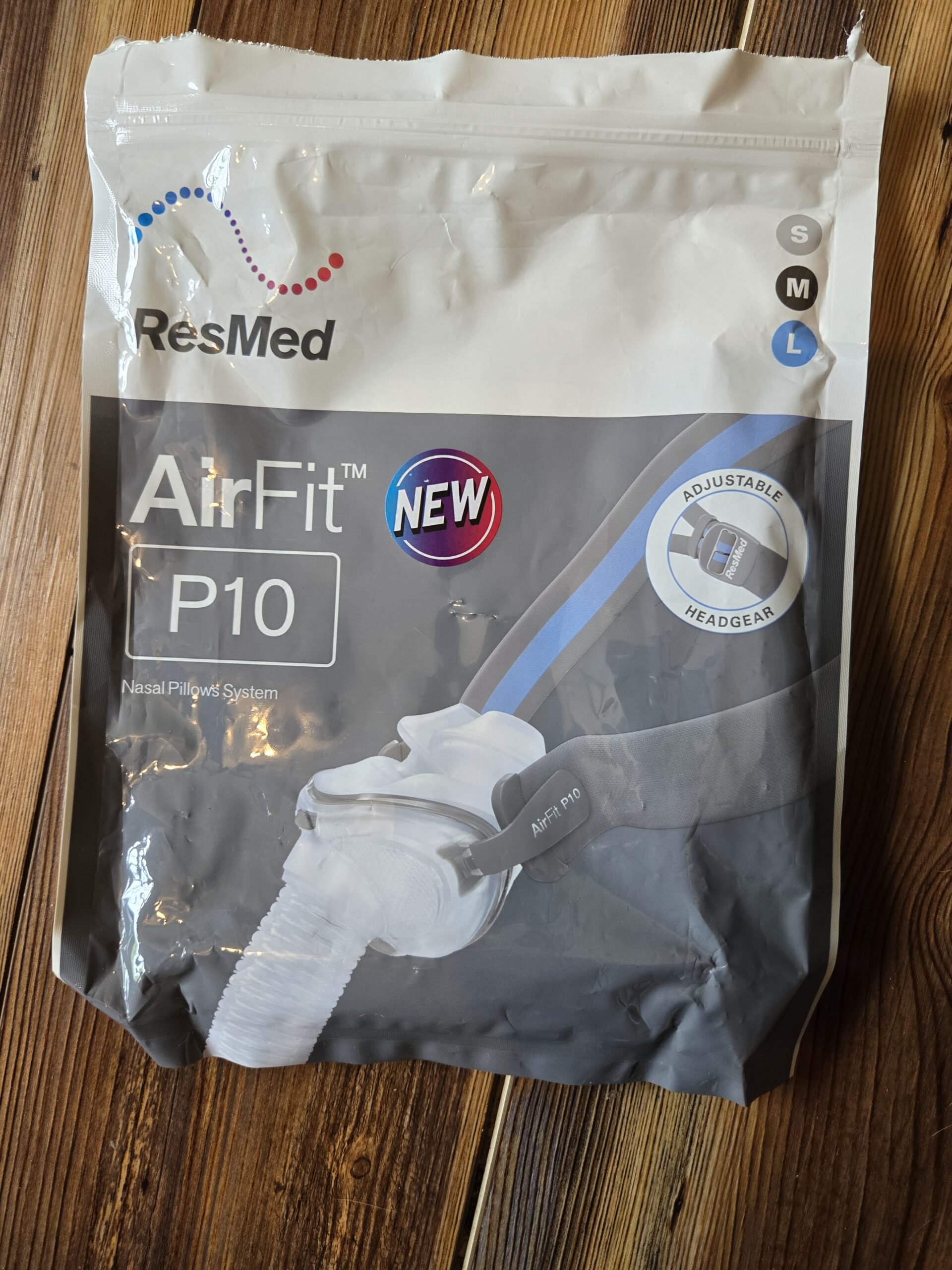
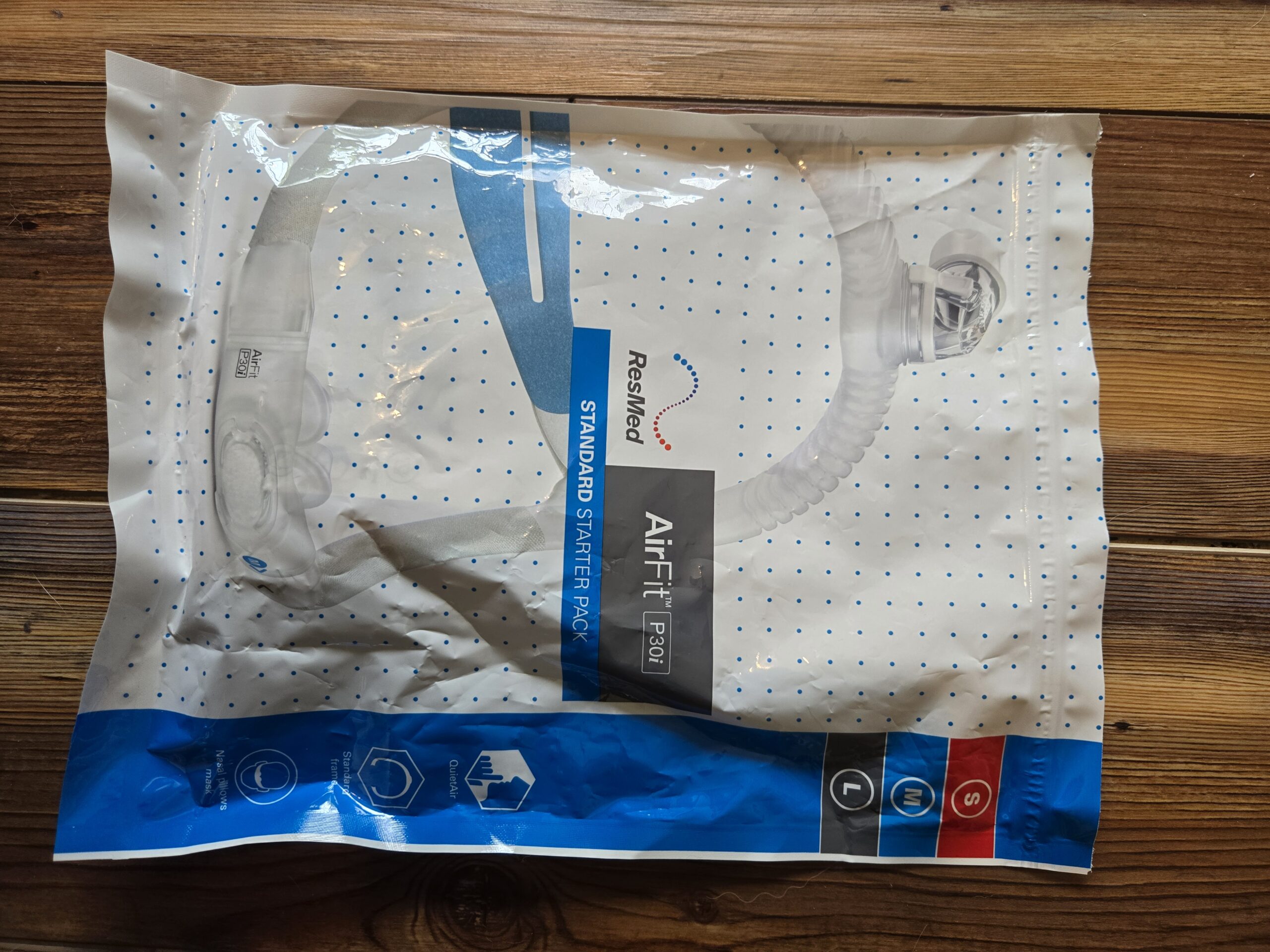
The mask I used next is a nose pillow mask. I originally tried this early on and didn’t like it because it forced air through my mouth and made talking harder. However, after wearing a mask full-time for several months, my breathing patterns changed, and this option worked much better. I could speak clearly enough for casual conversation, take breaks when needed, and—most importantly—eat real food more easily. It made meals more enjoyable and social, even allowing us to eat out at restaurants.
This option did take time to get used to, and it was uncomfortable at first, but the results were worth it. I also found that using ChapStick on my nose helps prevent irritation from the nose pads.
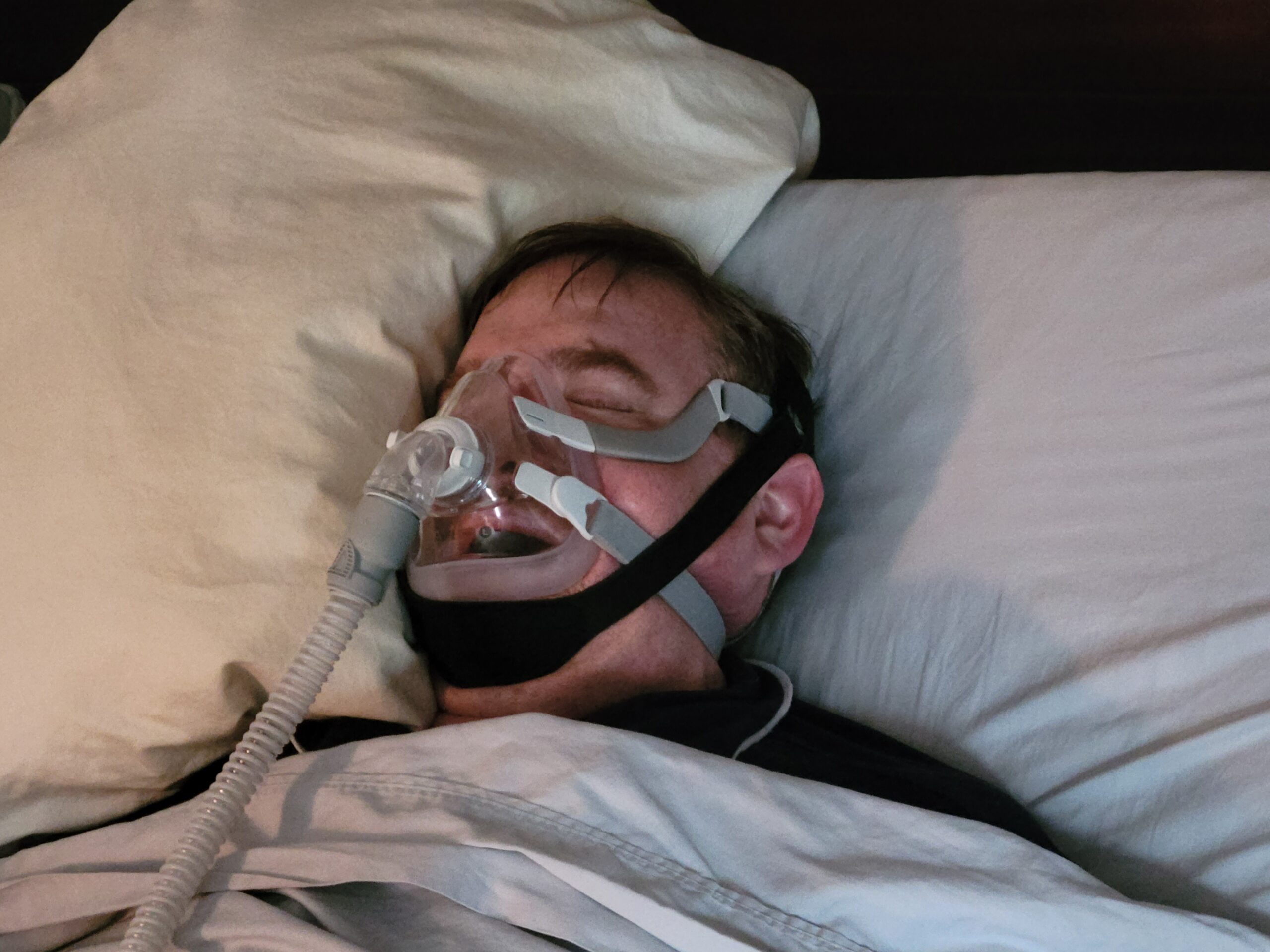
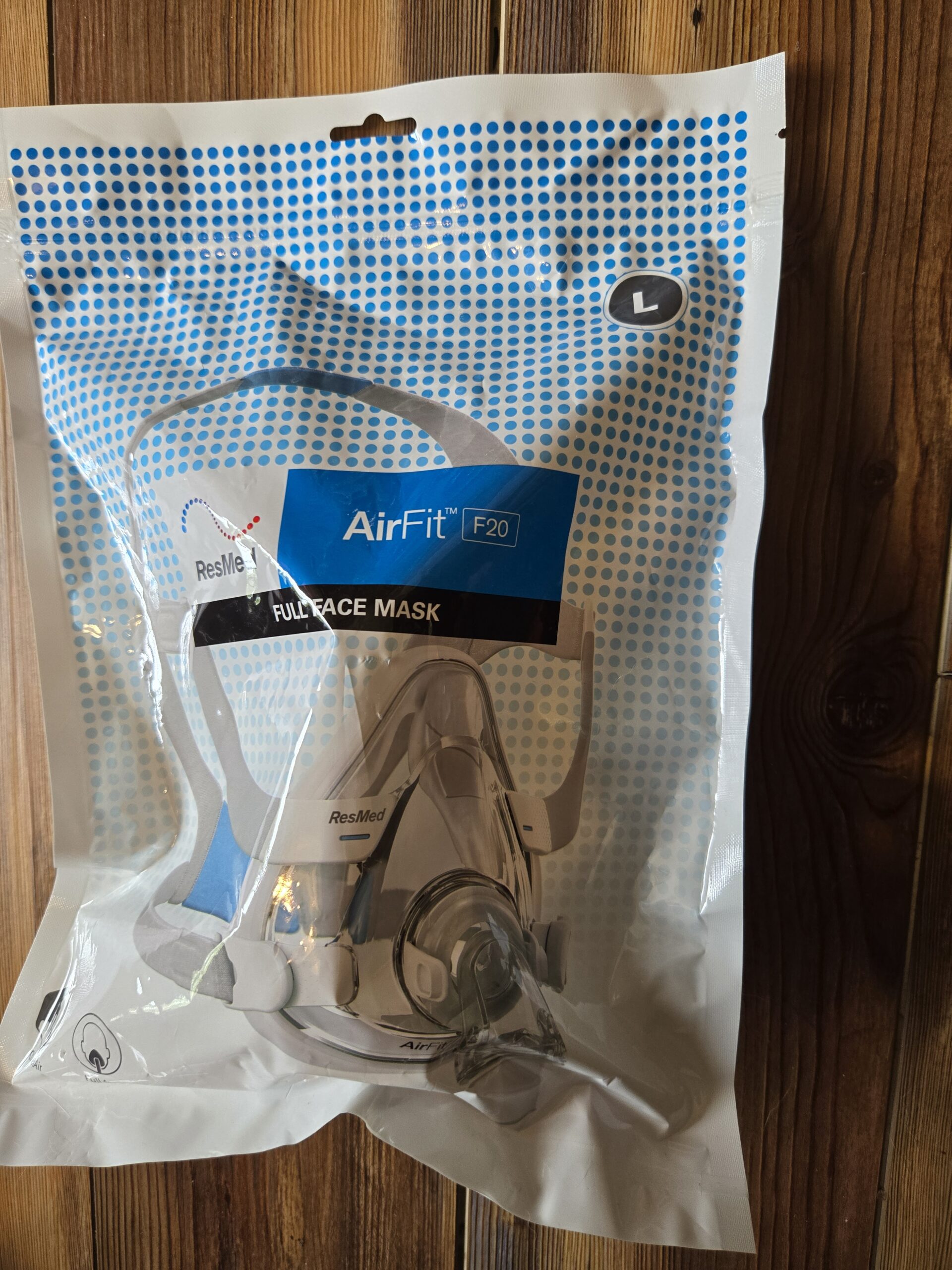
In total, I used three different masks in my daily life, including a separate one at night. My advice is to work closely with a respiratory therapist and be willing to try different options—even ones you didn’t like at first. What doesn’t work initially may become the best solution over time.
I hope this helps others managing breathing challenges. Remember, you can live with ALS and do more by exploring options and giving them a fair chance.



Reviews
There are no reviews yet.